Presidential Election 2025 - Online ballot#
All members of Academia Europaea are invited to cast a vote for the next President of the Academia Europaea.
Following an intensive scrutiny process, the Board have accepted the recommendation of an independent search group and hereby are pleased to propose Professor Donald B. Dingwell MAE for your approval.
The incoming President will assume the Presidency formally at the AGM of 2025 (October). The President will serve for an initial term of three years.
Resolution: #
“In accordance with the Regulations of Academia Europaea, the Board of trustees strongly recommend that members vote in favour of Professor Donald Dingwell MAE as the incoming President of the Academia Europaea.”
Voting#
To cast your vote, go to the ballot page where you can also view Prof. Dingwell's Curricum Vitae and his nomination statement.
The ballot opens on 17 June and closes on 30 June 2025 (midnight CET).
To access the voting platform, you have to identify. Help and further information about the login.
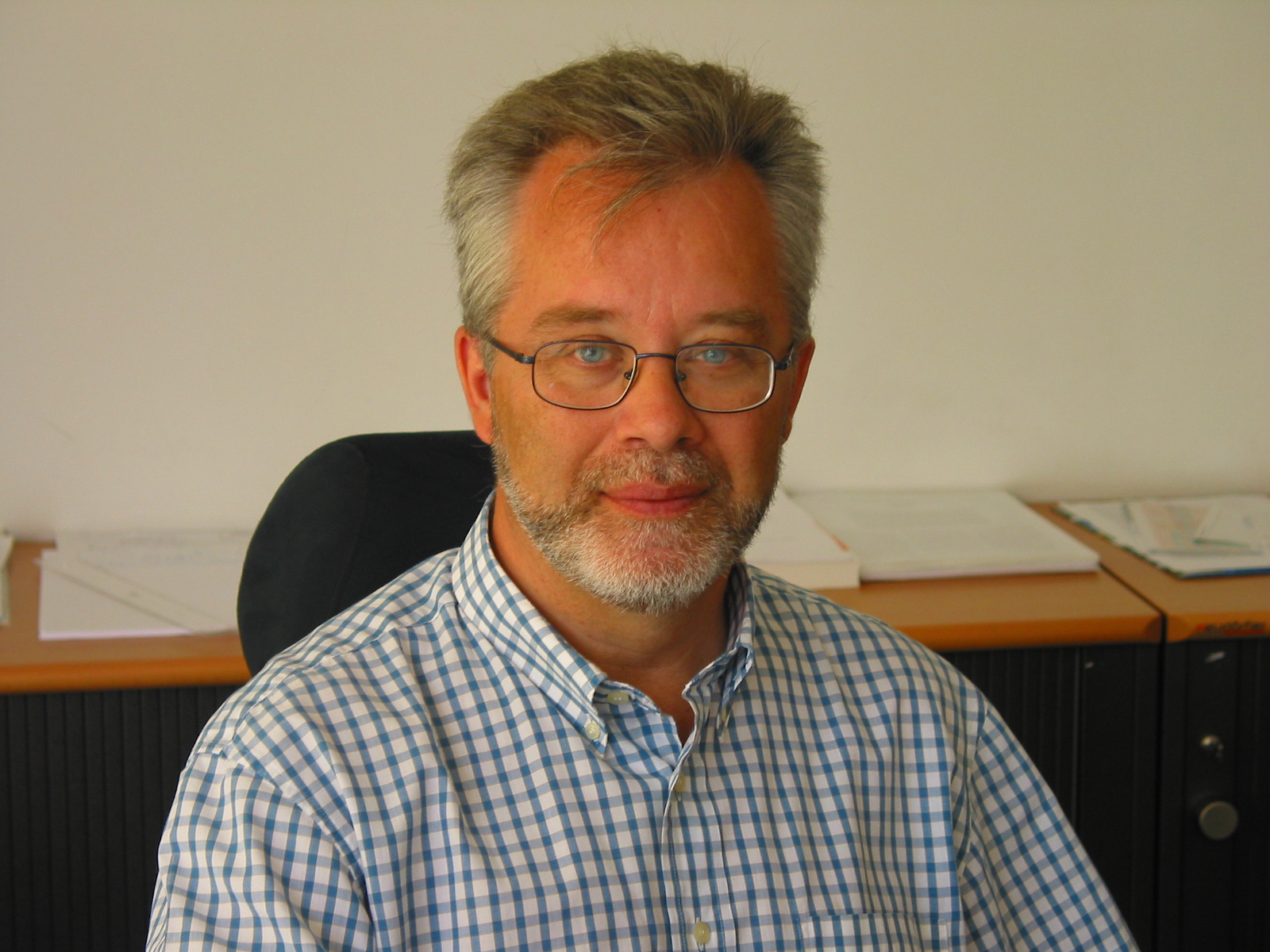
Professor Dingwell’s nomination statement on the development of the Academy in the coming years#
The Academia Europaea stands on the threshold of a greatly enhanced and broadened set of activities in the coming years. Recognition of the quality, breadth, diversity and reputation of the academy is now, after decades of careful shepherding of its activities and impact, slowly arriving at the place it should be, able to speak for Europe.
The next years will be crucial in stabilizing and carefully growing the activities of the Academy in intellectual achievements, meetings, and recognition of excellence that are the building blocks of intellectual authority in a free and vibrant European community of scholars.
This ambition has long been with us, but it is coming to fruition at a time when the challenges to modern intellectual and scholarly exchange, are met with several new sets of circumstances in Europe and abroad. Amongst these are the challenges of 1) anti-intellectual movements in the politics of several countries which strive to undercut the authority of academies; 2) the rise of unregulated and profit-oriented artificial Intelligence industries serving particular interests while claiming to speak as absolute authorities and 3) fatigue on the global stage with respect to the essential nature of international discourse on the big challenges of the age, to balance the alternative of small, national self-interests.
How will authority be apportioned in the coming decade? The academy must be an essential element of it, speaking with a consortium of voices whose motives are the greater good of us all and not personal or particular advantage.
Our reputation, the breadth of coverage of our expertise, and the representativeness of our membership of all parts of Europe (sensu lato) make us predestined to fill a unique and central role in the future of Europe.
The building blocks of the Academy workings must thus include:
- improvements in the selection process of our membership
- growth of the academy membership to close gaps in expertise
- strengthening the sources of financial support of the academy
- improving the administrative structures of the academy to better serve all
- serving in central roles for scientific advice for policy
- recognizing through honours the very best of European scholarship
- spreading the impact and understanding of the fruits of research to the public
- emphasizing the innate ability of scholarship to solve the great challenges of our time, our species and our planet
- speaking out on issues of scientific integrity, ethics and the non-political nature of objective science
It will be however the central strategic task of the coming years to keep us on the path towards securing our position in Europe and to ensure the highest quality, integrity and fairness of the scholarship we generate, the advice we provide and the achievements we honour in the coming years.